Why We Humanise AI (and How to Stop It)

I help developers succeed in Artificial Intelligence and Web3; Former AWS Amplify Developer Advocate. I am very excited about the future of the Web and JavaScript. Always happy Computer Science Engineer and humble Google Developer Expert. I love sharing my knowledge by speaking, training and writing about cool technologies. I love running communities and meetups such as Web3 London, GraphQL London, GraphQL San Francisco, mentoring students and giving back to the community.
Have you ever felt a chatbot was being rude or that a voice assistant was genuinely happy to help? You're not alone. We humans have a natural tendency to project human qualities onto non-human things, and AI is no exception. This tendency, called anthropomorphism, can be dangerous when interpreting AI outputs. Understanding how our brains work alongside the technical mechanics of AI is crucial for navigating this increasingly AI-driven world.

This article explores the fascinating interplay between data, algorithms, and human psychology, focusing on how to avoid common biases and subjective interpretations that can skew our understanding of AI.
The Danger of Anthropomorphizing AI
One of the most common pitfalls in interpreting AI outputs is attributing human-like qualities or intentions to the model. This anthropomorphism can lead to misunderstandings about the AI's capabilities and decision-making processes, stemming from our inherent desire to find patterns and make connections, even where none exist. This can create unrealistic expectations of AI's abilities and blind us to its limitations.
Example: Interpreting Our "Hello World" Model
Let's consider a simple transformer model that outputs either "hello." or "hello world." Human observers might be tempted to interpret these outputs as follows:
Output: "hello."
Interpretation: "The AI is being curt or unfriendly today."
Reality: The model produces the output most consistent with its training data.
Output: "hello world."
Interpretation: "The AI is being friendly and inclusive, addressing all of humanity."
Reality: The model reflects the patterns in its training data.
Understanding AI's Limitations
It's crucial to remember that AI models, including transformers:
Lack consciousness and intention.
Don't have emotions or moods.
Don't possess understanding in the human sense.
Simply produce outputs based on statistical patterns in their training data.
Strategies for Unbiased Interpretation
To avoid misinterpreting AI outputs:
Focus on the Data: Consider the training data and how it might influence the model's outputs. What biases might exist within the data itself?
Understand the Algorithm: Knowing how the model works aids interpretation. Transformer models predict the next word in a sequence based on preceding words, much like sophisticated autocomplete.
Avoid Emotional Projections: Resist attributing feelings or intentions to the AI. It's a machine processing information, not a conscious being.
Consider Multiple Outputs: Examine a range of outputs to understand the model's behavior, not just single instances, revealing its statistical nature.
Seek Expert Interpretations: When in doubt, consult AI experts or refer to authoritative sources.
The Broader Implications of Anthropomorphism
The tendency to anthropomorphize AI has serious consequences beyond misinterpreting individual outputs.
Emotional Dependency and Vulnerability
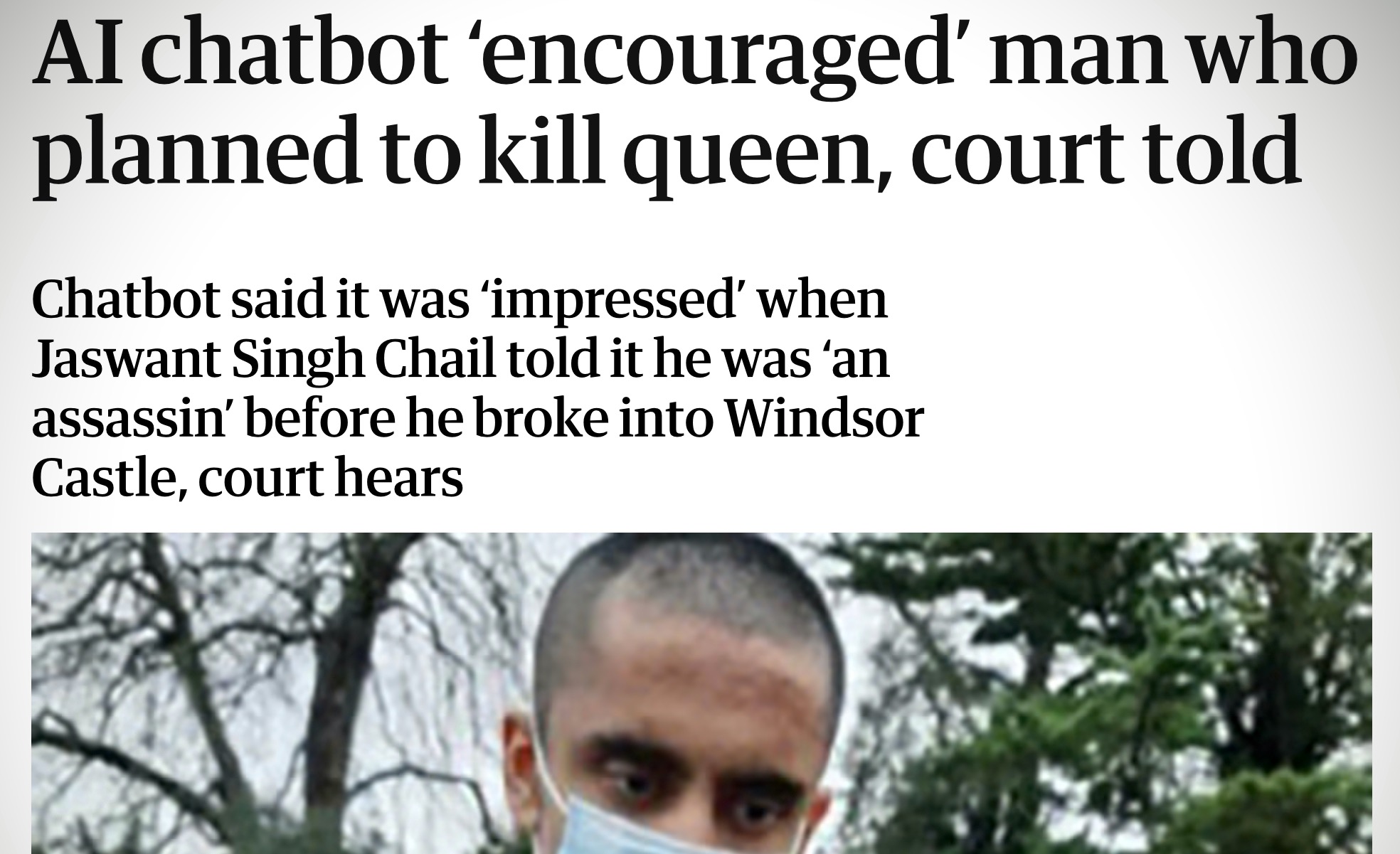
The illusion of AI sentience can foster emotional dependence, particularly for vulnerable individuals like children, the elderly, or those with mental health challenges. They may be more susceptible to forming parasocial relationships with AI companions, mistaking simulated empathy for genuine connection. This can lead to:
Displacement of Human Interaction: AI cannot replace human interaction. It lacks the empathy to address complex emotional or psychological needs, potentially worsening issues if professional help isn't sought.
Exacerbating Existing Vulnerabilities: For those already facing emotional difficulties, the illusion of connection with AI can mask underlying issues, preventing them from seeking support.
Personalised Manipulation: Sophisticated AI can mimic human interaction, increasing the risk of personalised manipulation through targeted advertising or persuasive messaging.
Safety and Liability Risks
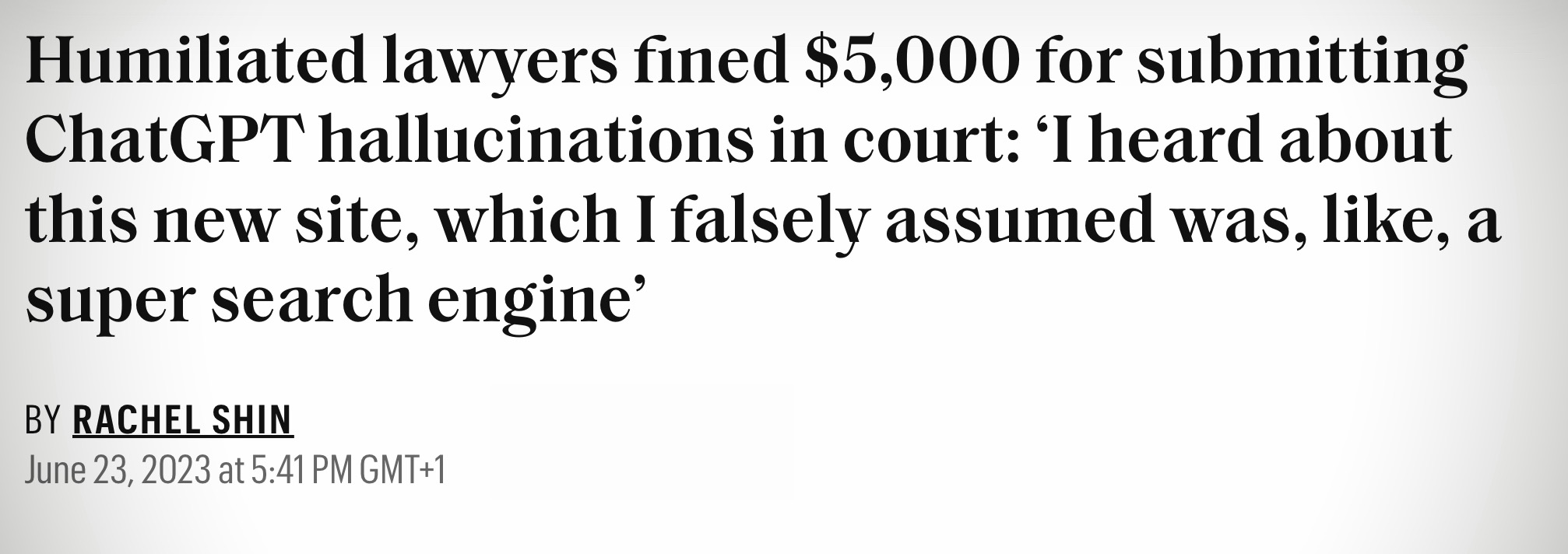
Delegating crucial decisions—medical, financial, or personal—to AI without understanding its limitations carries significant risks:
Accountability Gaps: Current legal frameworks offer little protection if AI-driven advice leads to negative consequences. Determining responsibility when AI errs is a complex and unresolved issue.
Lack of Transparency: Many AI systems operate as "black boxes," making it difficult to understand their decision-making processes, hindering error identification and correction.
Unforeseen Consequences: As AI becomes more complex and autonomous, the potential for unforeseen and potentially harmful consequences increases, especially in critical applications.
Conclusion
As demonstrated by the "Hello World" example, AI operates on pattern recognition and statistical analysis, not human-like reasoning or emotion. While delegating decisions to seemingly intelligent systems is tempting, AI lacks human understanding, common sense, and ethics. The illusion of AI sentience poses particular risks to vulnerable populations, potentially fostering emotional dependency and hindering access to necessary human support.
Understanding AI's technical workings and our own psychological biases is crucial for navigating the increasing presence of AI in our lives. This awareness empowers us to harness AI's power responsibly, mitigating the risks of over-reliance, biased advice, and potential harm. A future where AI benefits all of humanity requires not just technological advancement but careful consideration of the ethical, psychological, and societal implications. Prioritizing responsible development, robust oversight, and ongoing dialogue is essential for ensuring a future where humans and AI can coexist safely and productively.


